Battery recycling
Circular economy
The Batteries Regulation establishes end-of-life requirements, including collection rules, material recovery targets and strengthened producer responsibility.
It sets a specific collection target for waste batteries used in light means of transport: 51% by the end of 2028 and 61% by the end of 2031.
The regulation also sets a target for lithium recovery from battery waste: 50% by the end of 2027 and 80% by the end of 2031. These targets can be adjusted through delegated acts depending on market and technology developments and lithium availability.
It introduces mandatory minimum levels of recycled content for electric-vehicle batteries. Initial levels are set at 16% for cobalt, 85% for lead, 6% for lithium and 6% for nickel. Batteries must also be accompanied by documentation on recycled content.
The recycling efficiency target is set at 80% for nickel-cadmium batteries by the end of 2025 and 50% for other waste batteries by the end of 2025.
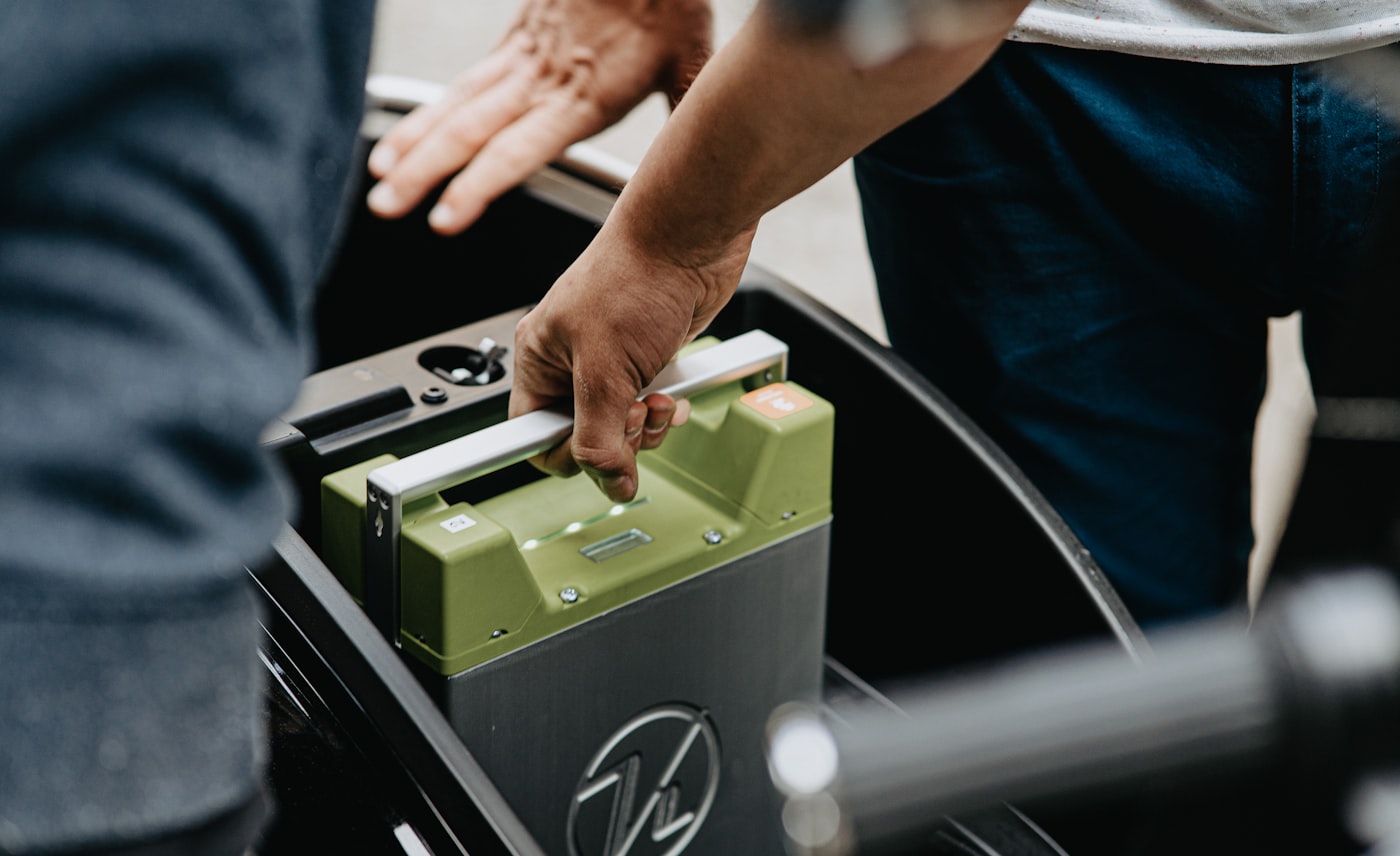
By 2027, batteries for light means of transport must be replaceable by an independent professional.
Fair rules for better competition between all operators
The new rules are designed to improve the functioning of the internal battery market and ensure fairer competition through safety, durability and labelling requirements.
This objective is supported by performance, durability and safety criteria, strict restrictions on hazardous substances such as mercury, cadmium and lead, and mandatory information on the carbon footprint of batteries.
The regulation introduces labelling and information requirements, including details on battery components and recycled content, as well as an electronic battery passport and a QR code. To give authorities and market operators enough time to prepare, labelling requirements will apply by 2026 and the QR code by 2027.
Reducing environmental and social impacts
The regulation aims to reduce environmental and social impacts throughout the battery life cycle. It sets strict due-diligence rules for operators, who must verify the source of raw materials used in batteries placed on the market. The regulation includes an exemption from due-diligence rules for small and medium-sized enterprises.